Families
A new diagnosis for your child is a profound and often challenging moment. We’re here to help you navigate these first steps. Click to view important resources to guide you on this journey
Participating in research is a powerful way for families to contribute to a deeper understanding of GRI disorders. Click to view information on current research opportunities.
Enrolling in the GRI registries is the most effective way to learn about people with GRI disorders. By participating, you help us understand why different variants cause different symptoms and how these symptoms change over time.
Taking part in the GRI Census is a powerful way to accelerate research for treatments and cures. Your family’s information helps increase our community’s chances for clinical trials and drug development by showing pharmaceutical companies the need and size of our community.
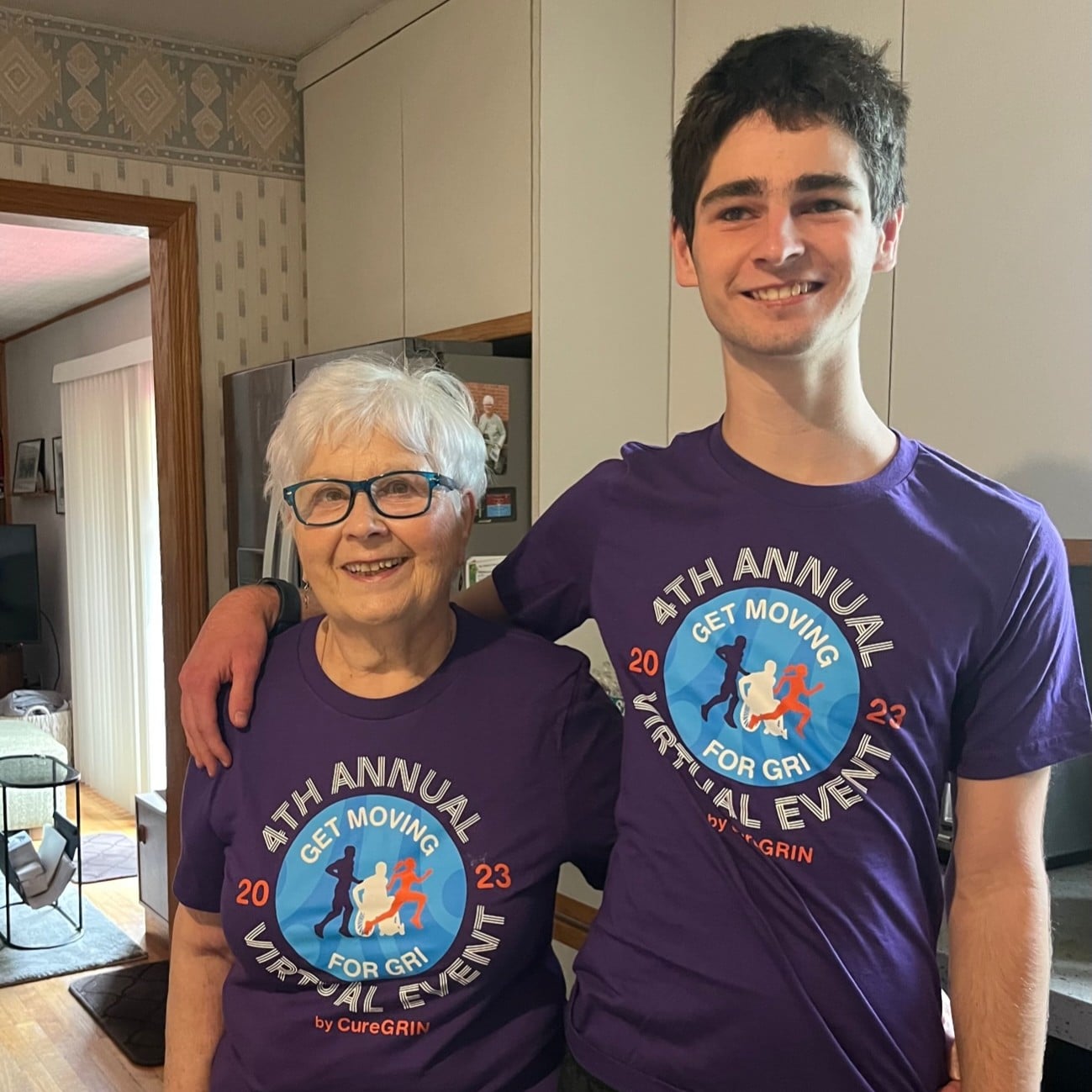
A diagnosis marks the beginning of a family’s journey. These stories shed light on the realities of GRI Disorders and the shared commitment needed to move research and support forward.
Access CureGRIN’s guides, articles, tools, and support materials to help you understand and navigate GRI Disorders.
Below you can find directories for US and International doctors available and updated frequently.
If you know of a GRI-Smart Physician who is not included, please email Brittany@curegrin.org with the information.
Clarify complex medical and scientific terms with CureGRIN’s Glossary. It is your quick reference guide to the language used across our site.
Join CureGRIN’s support groups and connect with families and caregivers navigating GRI Disorders for community, resources, and shared experience.
Help spread awareness, connect families, and serve as a bridge between your community and CureGRIN.
Discover the 10-Day GRI Course, designed to give families, caregivers, and anyone interested in GRI Disorders a friendly, step-by-step way to build knowledge.
Support CureGRIN: donate, connect, and shop to help us meet our goals. Your contributions and engagement empower research, advocacy, and patient communities.