Richie – GRIA3: DONATE
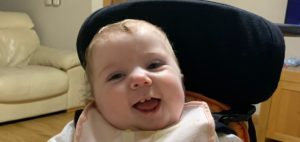
Richie was born full term on Monday, September 4, 2018. From the moment I held him, something felt off. He cried constantly—deep, inconsolable cries that nothing could soothe. I held him for hours, rocked him, walked the floors, tried everything. Nothing worked. Some days were better than others, but I knew in my gut something wasn’t right. I was terrified he was in pain and I couldn’t fix it.
Sleep didn’t exist for the first two years of Richie’s life. He arched his back, flopped on the floor, and never seemed comfortable in his own body. By nine months old, he was missing milestones, and I enrolled him in early intervention. That was the beginning of what would become a nonstop search for answers.
Richie’s first diagnoses were milk protein intolerance and hypotonia. He was delayed in everything—sitting, walking, grasping objects, speech. An autism evaluation placed him in the severely autistic range. I pushed hard for that diagnosis, and even though it was painful, it changed everything. It gave us access to people who finally saw Richie, believed in him, and fought alongside us.
Neurology testing followed—MRIs, EEGs, bloodwork. Everything came back normal. Genetics was our next stop, which brought us to Children’s Hospital of Philadelphia. Then COVID hit. Richie was pulled from daycare, and therapies moved to Zoom. It was messy, exhausting, and isolating—but something shifted. Richie started moving more, crawling in his own way, sleeping better. For the first time, he had some independence.
At that point, Richie was doing seven therapy sessions a week through early intervention and outpatient rehab. Progress came slowly, but it came. He was happier. And so was I.
In May 2020, we had a virtual genetics appointment with CHOP. After extensive testing, we met with a mitochondrial specialist. That phone call shattered my world.
We were told Richie had a 99% chance of having mitochondrial disease—ECHS1 deficiency. We were told his body couldn’t process protein properly and that his organs would eventually fail. The doctor said his life expectancy was somewhere between three and eight years old. I remember sitting there, listening, completely numb. No parent should ever hear that about their child.
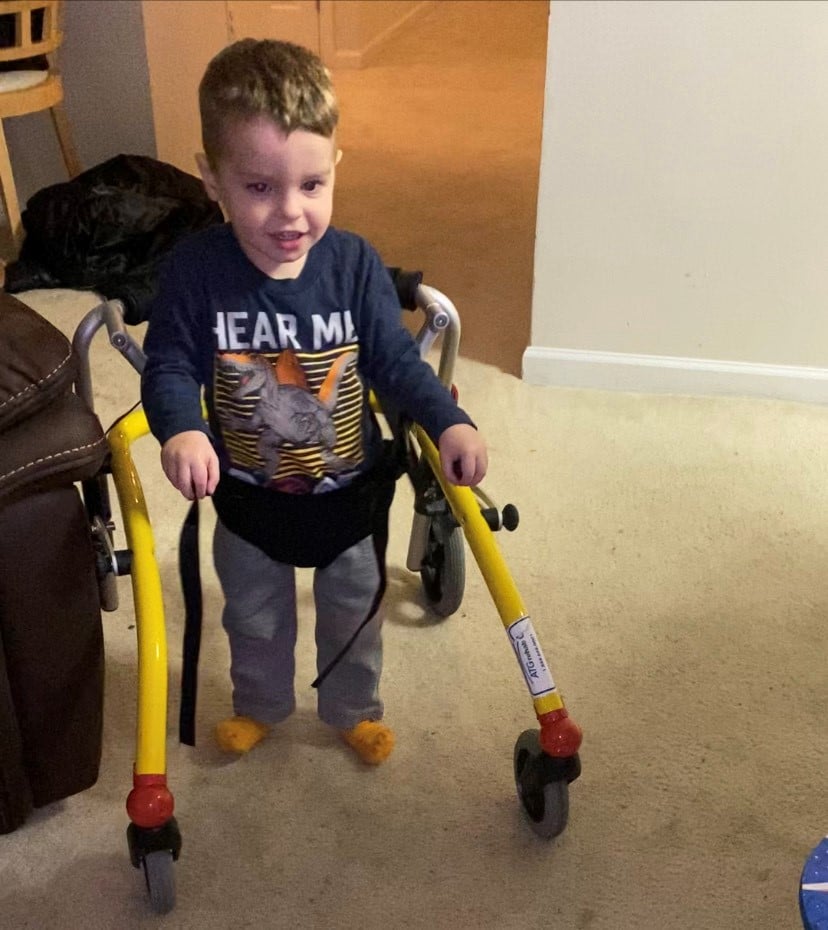
We went to every specialist you can imagine. Cardiology. Neurology. GI. Genetics. Over and over again. Somehow, Richie kept proving them wrong. His blood work started improving. He kept moving forward. We chose to live. We spent our days outside, practicing stairs in our apartment stairwell, celebrating tiny wins that felt huge. Richie got a walker. We never stopped trying.
In December 2022, we finally saw the mitochondrial doctor in person at CHOP. She was stunned by Richie’s progress and recommended reanalyzing his genetic testing. After reviewing his DNA and genome sequencing, she removed the ECHS1 diagnosis. Richie stayed in her care, but everything we thought we knew changed again.
On January 20, 2023, Richie was diagnosed with GRIA3, a rare X-linked intellectual disability caused by a misspelling in his DNA. At the time, there were only 39 known cases worldwide. Richie inherited GRIA3 from me.
Getting that diagnosis broke me in a different way. I finally had a name—but no roadmap. No guarantees. No answers. I had to learn everything, fast. Some doctors weren’t educated. Some appointments were devastating. Then we landed back at CHOP, where knowledge and compassion finally met us.
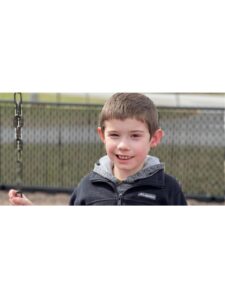
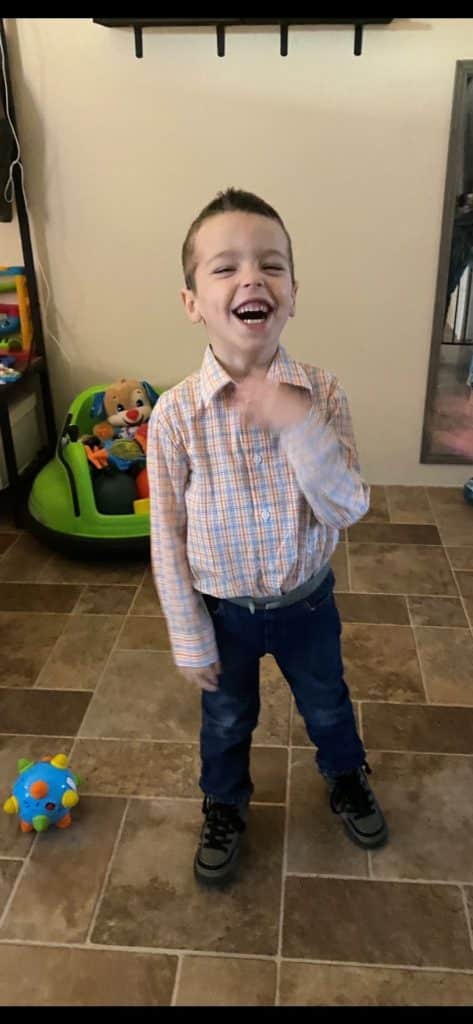
Richie’s neurologist believes he has a milder presentation of GRIA3. Richie has never had seizures. He has staring spells, but they are easily interrupted and likely behavioral. The risk of epilepsy appears low. Years ago, we were told he likely will never walk. Today, Richie walks independently, wears orthotics, climbs stairs, and runs. He keeps surprising everyone.
Richie is now in first grade at an ABA-based school for children with autism. He also receives ABA therapy at home after school, though we don’t get nearly enough hours. We do the best we can with what we’re given. He also receives physical, occupational, and speech therapy. His therapists push him, believe in him, and push me too. Richie understands far more than people assume, and we always speak to him with respect.
Richie communicates using some signs, and an AAC device. He has a few words/approximations of words. He is determined, stubborn, affectionate, and full of personality. He loves tickles, clapping, vocalizations, car rides, water, and being outside. He thrives on routine. Change is hard—really hard.
And then there’s the part no one prepares you for. Richie struggles with aggression and self-injury. When overwhelmed or denied access to something he wants, he may hit, kick, throw objects, pull hair, or bite. It’s the hardest part of this journey. His mood can flip in seconds. I’ve learned to react less, distract more, and survive the moments no one sees.
Living with GRIA3 means living without certainty. Doctors can’t tell us what Richie’s future looks like. That kind of unknown can break you—or it can push you to fight.
That’s when we found CUREGRIN.
CUREGRIN gave us hope when we were running out of it. It gave us community, knowledge, and connection to researchers who are actually trying to move this science forward. Through CureGRIN, Richie was connected to GRIA3 researchers. In January 2024, he started taking L-serine, suggested by a researcher and approved by his neurologist at CHOP. For the first time, it feels like we aren’t just surviving—we’re part of something bigger.
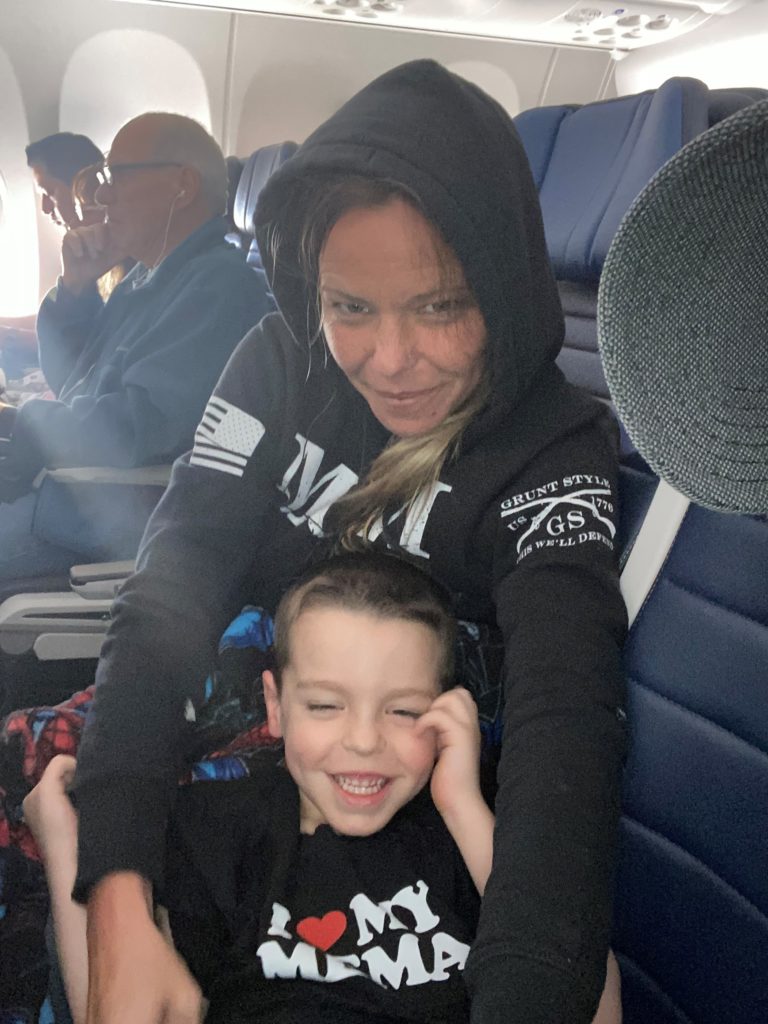
We live in the moment. We cry hard. We laugh louder. We watch the same episodes of Wheel of Fortune and Jeopardy every single day. We are loud. We make scenes in public. We love hugs. And we are deeply grateful to be here.
Richie has changed my life in the most beautiful and painful ways. He is my reason. He is my fight.
We will never stop fighting for a cure.
With love,
Patty & Richie Sanders